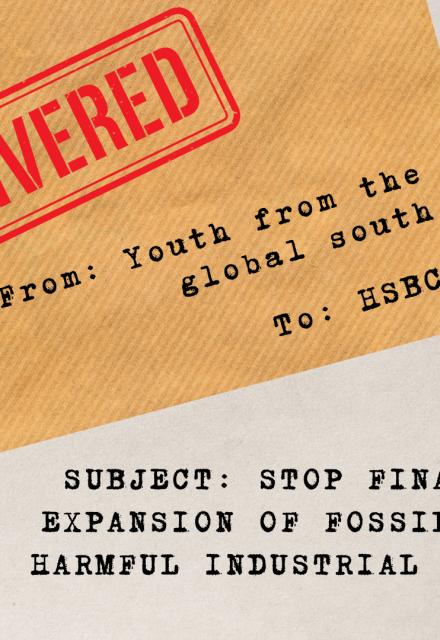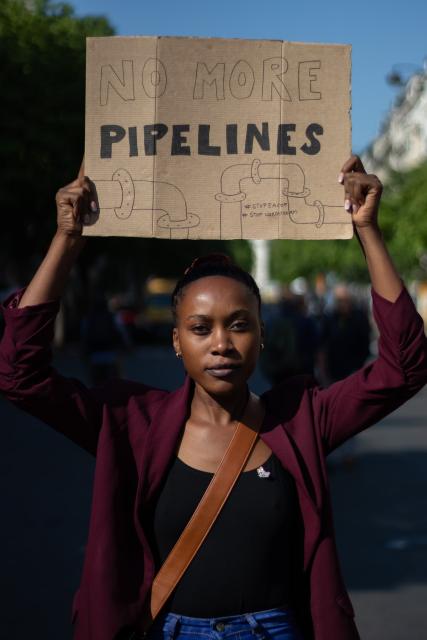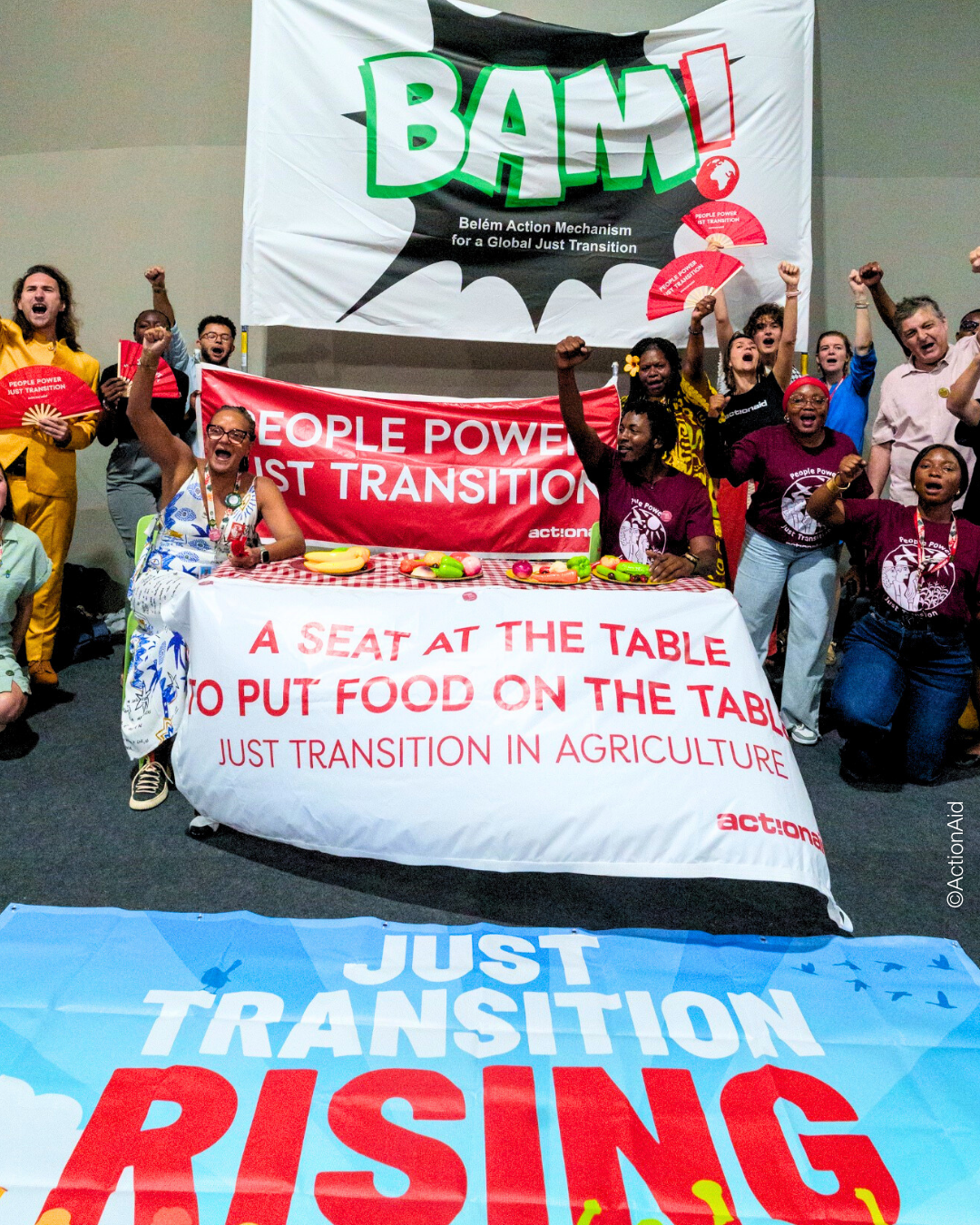
The days moved between negotiation rooms, actions, and pavilions where communities shared both solutions and struggles. In conversations on just transition, we pushed back against the idea that transitions can be engineered from the top down without the people who must live them. Finance sessions brought both the familiar gridlocks and flashes of innovation, from youth-designed platforms to emerging tools for tracking NDCs.
Youth leadership is far more than a conference slogan
Across the Blue and Green Zones, experiences were as contrasting as Belém’s weather. The Ethiopian Pavilion hosted the “Youth to Belém” program, where young African leaders spoke with refreshing honesty about the challenges that shape their work. Their courage underscored why youth leadership is far more than a conference slogan.
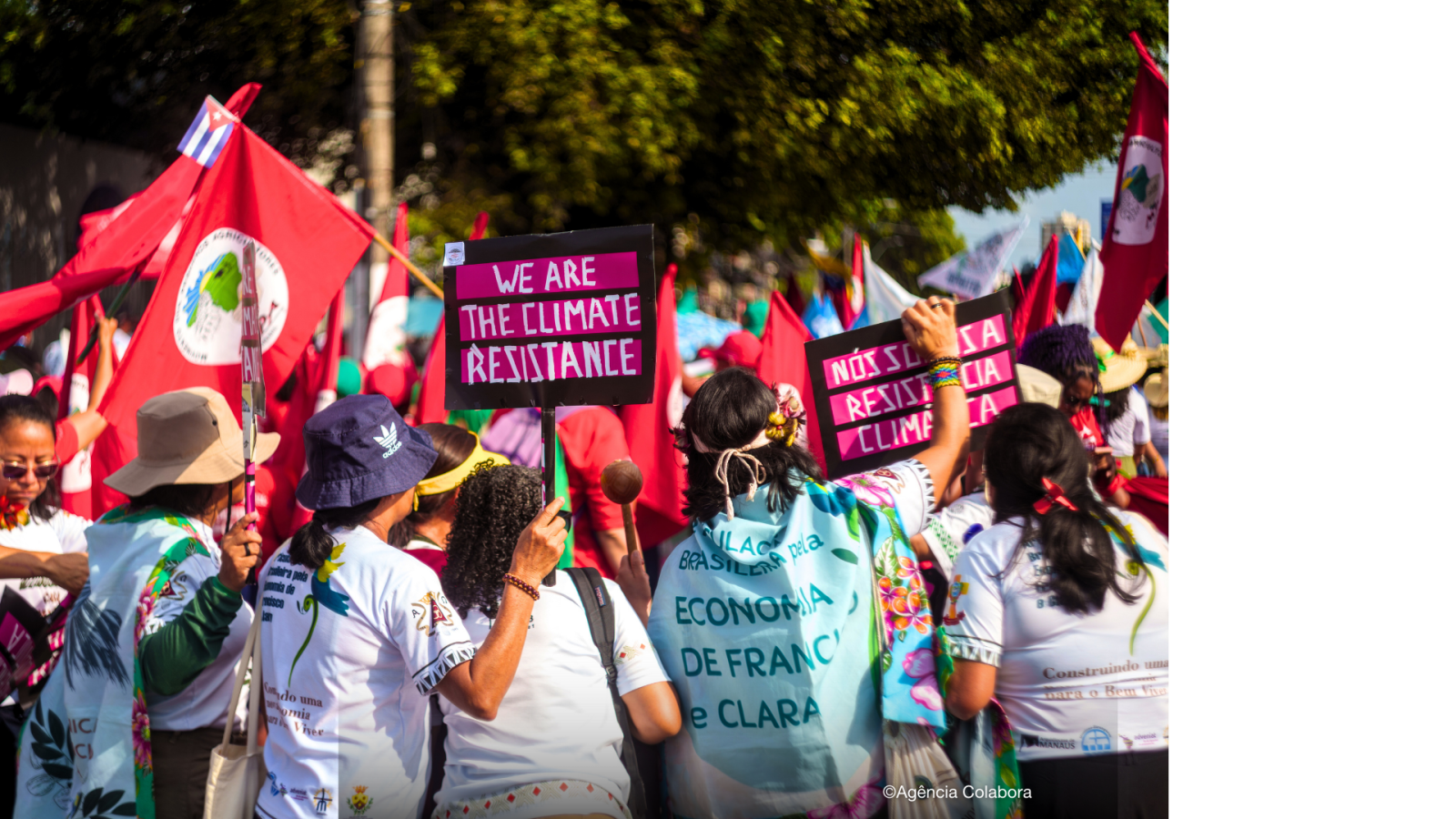
Agriculture became a frontline battlefield. In daily Climate Action Network working group meetings, the messy political discussions were turned into deep human conversations around food systems and just transition - the message was clear - agriculture cannot be reshaped without small-scale farmers and Indigenous communities at the table. COP isn’t a destination, it’s a journey. And that journey became even more powerful with the march, alongside Indigenous Brazilians at the People’s Summit, holding hands in solidarity under the burning Belém sun.
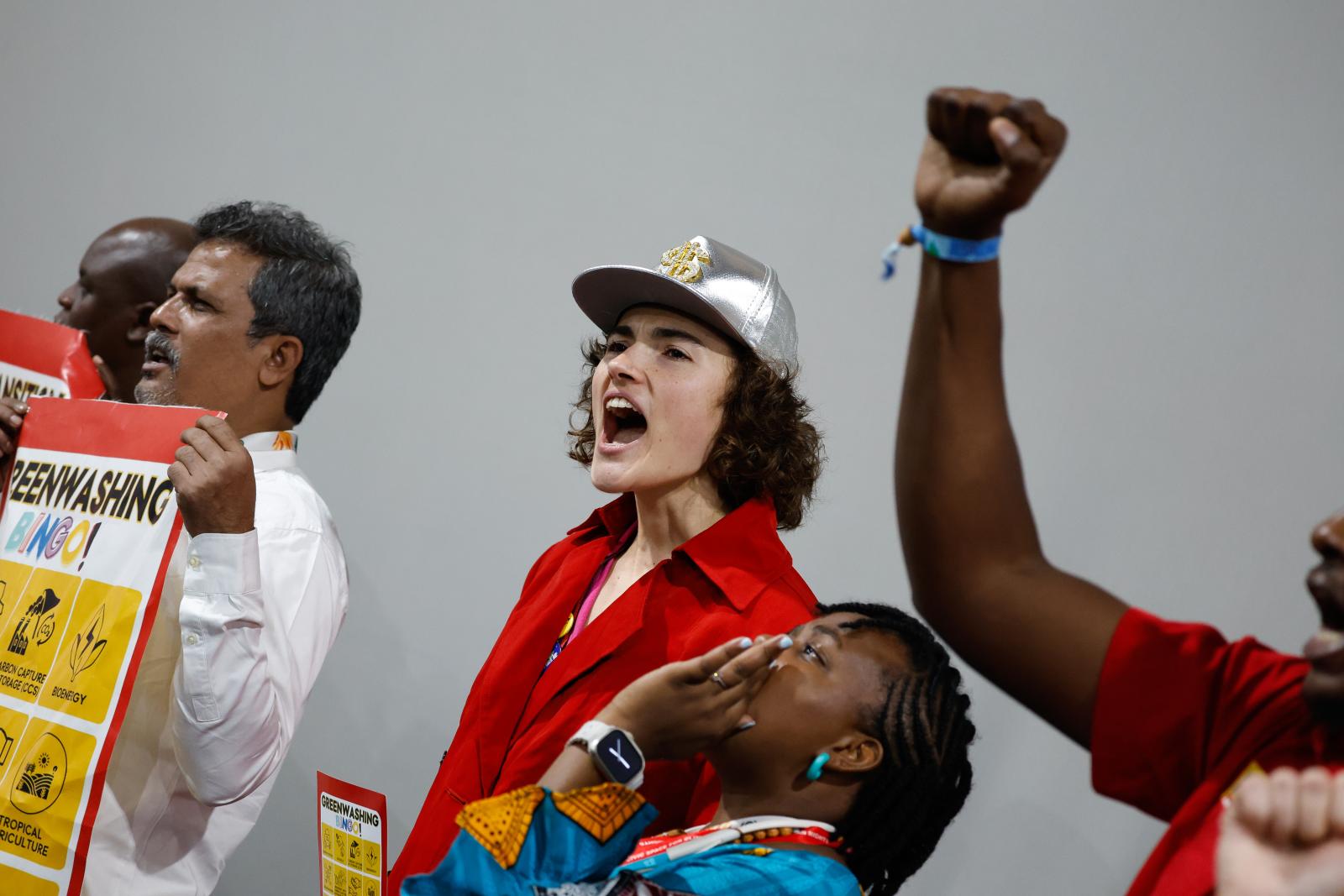
COP is a journey across continents without leaving the venue. From Liberia to Azerbaijan, Ethiopia to youth spaces, conversations were filled with urgency, wisdom, and the political realities of climate action.
Most vulnerable countries lack resources, not ambition.
Inside the negotiation halls, the weight of representation, that of young Africans, of vulnerable nations, of all those whose daily lives hinge on decisions made in rooms they can’t enter - grew heavier. The Global Goal on Adaptation (GGA) talks were charged with emotion as delegates wrestled with indicators meant to shape global resilience. A last-minute revision shook trust in the process, revealing the fragility of multilateralism. Progress on National Adaptation Plans (NAPs) offered hope but also exposed a sobering truth: most vulnerable countries lack resources, not ambition. Across the board, adaptation finance remained a plea for survival, not a policy detail.
Climate action is ultimately human-rooted in shared pain, resilience, and hope.
For others, getting to Belém was a voyage itself, but every precious moment was used. Touring pavilions spanning from India to Latin America, what stood out was how much global ideas can empower local action back home. The People’s Summit March was a reminder that climate action is ultimately human-rooted in shared pain, resilience, and hope.
Through flooded walkways, extreme heat, protests, and even pavilion fires that briefly halted the conference, COP30 exposed a deeper truth: the climate crisis is testing not only our ecosystems, but our global governance systems. Yet, in the moments of chaos, people came together with calm, urgency, and purpose- a rare glimpse of the unity needed to confront an accelerating emergency.
The world doesn’t need promises. It needs people who show up- together, persistent, and unapologetically present.
Leaving Belém, we carried more than experiences. We carried responsibility. Determination. And a shared understanding that meaningful climate action doesn’t come from perfect systems or polished stages, it comes from people who keep showing up. From Addis, Lusaka, Monrovia and Garissa to Belém, from agricultural fields to negotiation halls, from youth movements to Indigenous struggles, the message rang clear: The world doesn’t need promises. It needs people who show up- together, persistent, and unapologetically present.