"Disruption is necessary but nowhere near sufficient."
Disruption is the job description.
Social movements are built to disrupt, by design. When the normal governance channels have failed, courts are captured, advocacy asks are simply fed directly into a shredder, and the only alternative left is to make the status quo more expensive than change for the people holding power.
Gen Z has taken disruption further: Discord servers with hundreds of thousands of members, walkie-talkie apps downloaded overnight, every police action livestreamed to audiences state TV could never reach. In Kenya, when security forces fired on crowds, protesters escalated within days from opposing a tax bill to demanding the president's resignation. Disruption has never worked better.
Disruption is necessary but nowhere near sufficient. It buys you a seat at a table someone else built, across from people who have spent decades learning to wait out pressure. In Chile, the movement won what looked like total victory: an entirely new constitutional process. Five years and two failed drafts later, its public support had collapsed, and the national conversation had moved on to crime. The protests made headlines. The reform never arrived.
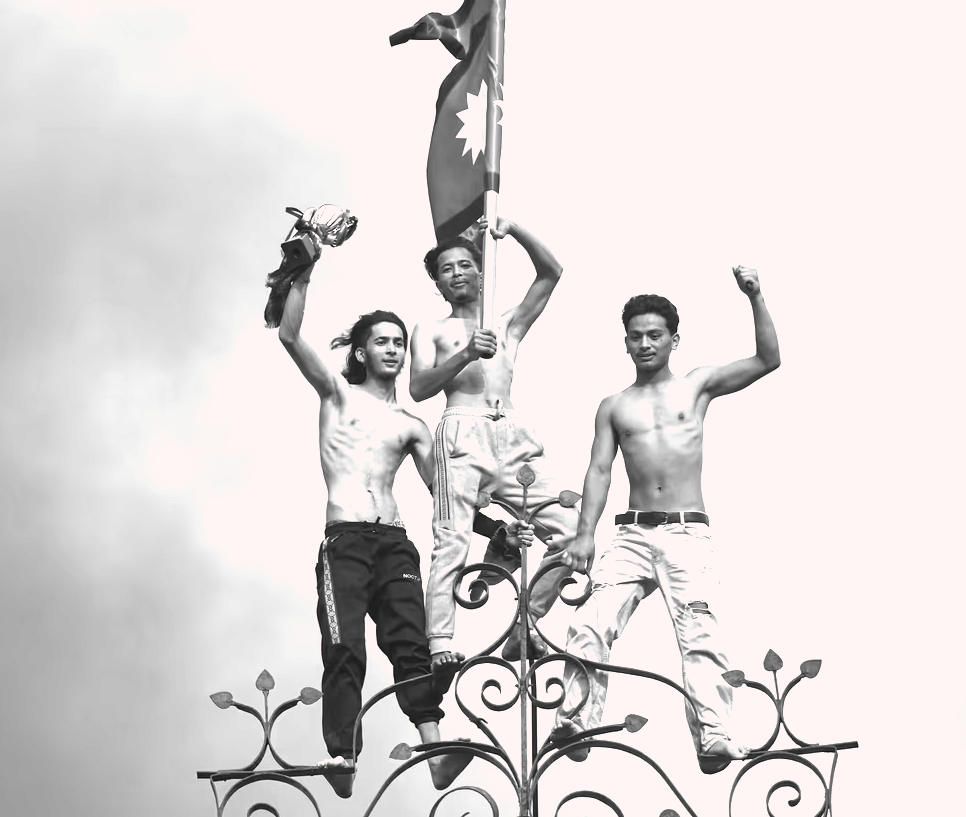
Public pressure is not political influence.
Public pressure creates big visuals- crowds, viral hashtags, and international attention. Political influence is quieter and less visible: it’s when a specific official changes their mind because they face a cost they can’t ignore and decide to act on it.
Movements are great at creating attention and assume it will automatically translate into influence. But it doesn’t work that way. If a minister survives three months of protests, he learns he can handle them, and every subsequent march teaches him the same lesson.
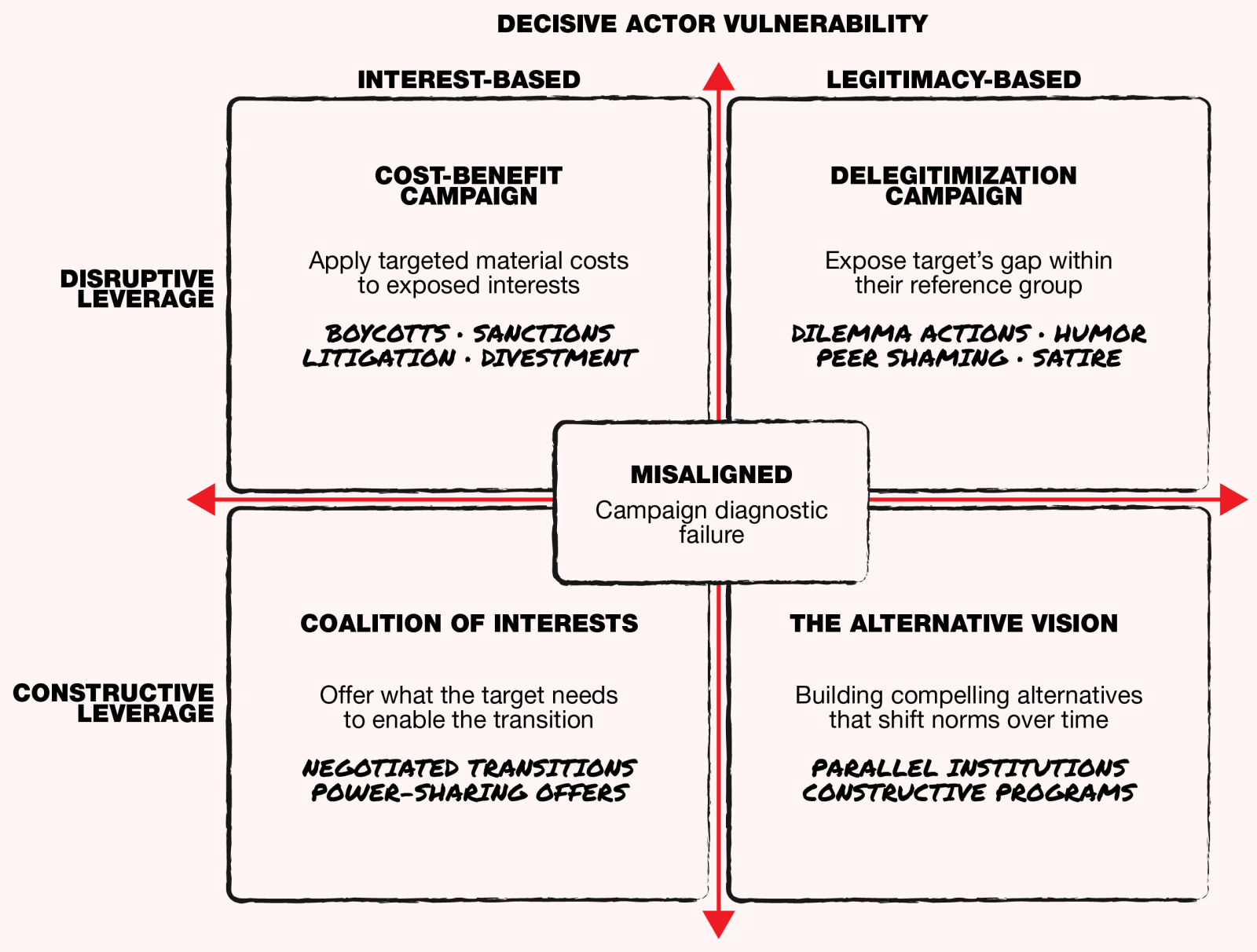
To transform public pressure into political influence, it's important to consider two key questions.
First, what actually moves the person you are trying to move? Some politicians care about money, contracts, or their own jobs, and only listen to moral arguments if there’s a price attached. Others care about their reputation with people they want to impress, international partners, or allies they can't afford to lose.
Second, what are you deliberately building your movement to deliver? Some are good at raising the cost of the status quo through strikes, boycotts, and lawsuits. Others are designed to reduce the cost of change, to provide a credible proposal for what comes after, to build a coalition capable of fulfilling its promises, and to provide a survivable way out.
Getting either of those two questions wrong leads to the most common mistake in today's organizing- misalignment, which involves running a technically sound campaign aimed at the wrong weakness of the wrong person. This means shaming an official who answers only to money, extending genuine negotiations to a regime that doesn't feel any pain worth giving up, and targeting the visible minister while the real decisions are made by an anonymous institutional investor or a party treasurer.
What conversion actually looks like
Conversion means getting one decision-maker to take one action they did not intend to take, and then making reversal too expensive.
Identify the real target. Saying you’re against “the regime” is not a target. When South Korea's president declared martial law in December 2024, he was never going to withdraw it himself. The real target was the 190 members of parliament who had the legal authority to vote it down. Instead of going to the presidential palace, the crowds gathered around the National Assembly and blocked the soldiers from entering. The decree died before sunrise. Impeachment followed within two weeks; the Constitutional Court removed him four months later. That is what conversion looks like.
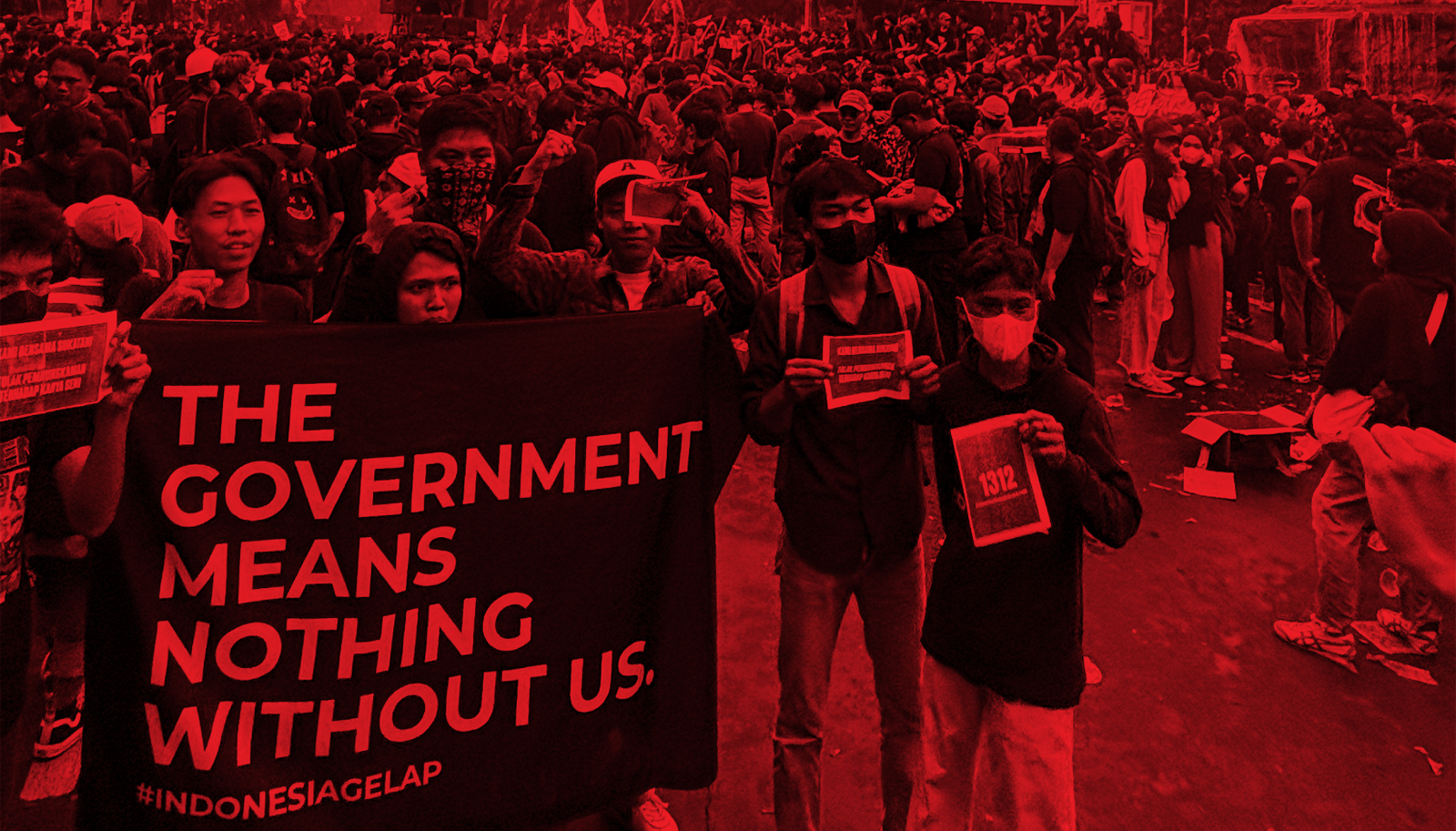
Make the cost personal and itemized. Some decision-makers run on balance sheets, and moral appeals reach them only when accompanied by an itemized invoice. To move them requires precision - it requires targeting a specific revenue stream, contract, or coalition partner who cannot absorb the risk. Escalation counts only if each move raises that exact line item. Shouting louder in the square is not escalation. Indonesia’s movement used raw electoral arithmetic: when parliament voted itself a housing allowance ten times the minimum wage in 2025, activists turned that single figure into the entire story. Every legislator weighed the benefits of keeping the allowance against the risk of losing his own seat, and support for allowances died within weeks.
Find the exposed interest. Money often leaves a trail. A construction company that’s protected at home can be pressured if foreign partners start asking questions about EU-funded contracts. A government that ignores megaphones will panic the moment an international lender or trading partner threatens to freeze its funds. In spring 2026, the European Union put €1.5 billion in aid to Serbia on hold over judicial laws that domestic experts read as an attempt to shut down corruption investigations reaching the ruling party's senior ranks. Caught between a hostile public on the streets and a financial lockdown from Brussels, the regime folded within weeks and rewrote the laws.
Shame only works from people whose respect the target needs. Shame only works from people whose respect the target needs. In Bangladesh, the real target was never the face on the TV. The army chief met his generals and secured one narrow concession: the military would not fire on civilians to enforce her curfew. When General Waker-Uz-Zaman told her office the soldiers would not enforce the lockdown, her position collapsed. Why did the generals break rank? They broke rank because they answered to two audiences they could not ignore: their own junior officers, and the UN peacekeeping system, where Bangladesh is a top troop contributor and complicity in a massacre would end decades-long careers. An abstract institutional risk became an immediate personal calculation.
Be for something more than disruption. Whether replacing an electoral commissioner, a tax code, or a head of state, the question is the same: instead of this, what? In Nepal, after months of the "Nepo Kids" campaign fueling public anger, when the army chiefs asked who should govern, the movement, with hundreds of thousands of members, produced an answer: Sushila Karki, a respected former chief justice whom the army, the president, and the public could all accept. The interim government she led delivered an election within months, and the movement's political vehicle won a majority on a governing agenda.
Offer the Alternative, Not Just the Protest. The slowest but most durable strategy is construction: creating parallel institutions and an independent civic culture that redefine what public life looks like, until the regime's rationale for its own existence no longer sounds plausible. Thailand’s youth generation provided the ultimate resilience test: the party it built won the most seats in 2023, was dissolved by judicial order, and re-formed within days with its parliamentary bloc intact. The courts had dissolved a legal registration; they could not dissolve the movement's organizational capacity, voter relationships, and governing blueprint.
Surviving the Trap
Social movements rarely arrive with a ready-made strategy, and no two erupt under identical political conditions. Making the leap from public pressure to political influence is far easier to map on paper than to execute in the heat of a crisis. Mapping conditions with frontline activists from twelve countries, MOVE found that social movements operate far beyond simple binaries of repression and support that most political observers default to.
Expect to be managed, not crushed. Modern governments increasingly meet public pressure with bureaucratic process rather than riot shields. A commission is announced, a working group convenes, and dialogue begins over coffee. Ask experienced organizers which scenario is hardest to navigate, and the answer is rarely open repression, whose rules are at least brutally clear. The real trap is the warm embrace- engagement just genuine enough to split a movement, and slow enough to drain its momentum.
Political openings do not last long. A public promise from a government evaporates the moment the crowd goes home. Kenya's government dropped the finance bill, then reintroduced the same tax measures through smaller legislative channels once the streets emptied. In Georgia, mass protests forced the withdrawal of a foreign agents law, and officials brought it back and passed it the following spring. Concessions last only when embedded in mechanisms that outlive the authorities' willingness to cooperate.
In most repressive systems, survival is the strategy. Where registering an organization is a confession and gathering in a kitchen is a crime, pretending standard strategy applies gets people jailed. Within such closed environments, the only way to escape the trap is to prioritize survival: this means keeping people, their skills, funds, and evidence intact until a genuine opening can occur.
Beyond the hashtags
Gen Z’s protests have become frequent, louder, and more present in our collective conscience. Results have been remarkable, as has the human cost. Although only a few achieved headline victories, even those that failed have shaped a generation of citizens who are politically savvy and know how to use civic power.
That civic power is a vital foundation, but street mobilization is only step one. The next frontier is turning that raw energy into lasting political influence, moving from loud protests to quiet, targeted leverage. By identifying real decision-makers, preparing organization before an opening occurs, and building vehicles that outlive repression, this generation can bridge the gap between making noise and forcing decisions. The crowd is ready, and the tools exist; the movements that do the unglamorous homework off-camera will be the ones that bend history.